Professional Press Release Writing Services That Get Noticed
Engage Journalists and Media Outlets with Compelling PR Writing
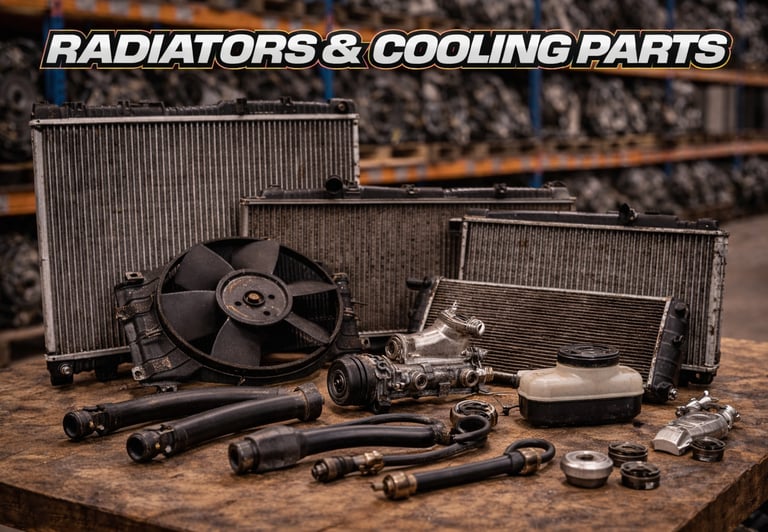
A vehicle’s cooling system plays a major role in keeping the engine running at the proper temperature. When something in that system begins to fail, the problem can affect performance, reliability, and the engine's overall health. That is one reason radiators and cooling parts remain such an important part of vehicle repairs for cars, trucks, and SUVs.
The cooling system is designed to help manage engine heat during everyday driving. Parts such as the radiator, cooling fan, fan shroud, coolant reservoir, condenser-related components, hoses, and other connected parts all help support that job. When one part stops working as it should, the engine may run hotter than normal, cooling performance may drop, or drivers may notice leaks, warning lights, or temperature concerns that should not be ignored.
Because cooling system repairs can involve several connected parts, many vehicle owners want to better understand the system as a whole before moving forward. Used radiators and cooling parts often come up in that conversation because they can offer another practical way to handle repair needs. For many vehicles, especially older models or daily drivers with years of use, that can matter quite a bit.
Used radiators and cooling parts may be considered for sedans, pickup trucks, SUVs, vans, and many other vehicle types. In many cases, the goal is not only to replace a worn or damaged part. It is also about making a repair decision that fits the vehicle, the budget, and the long-term value of keeping it on the road.
This page is here to help visitors better understand used radiators and cooling parts and why they continue to matter in many repairs. Whether someone is dealing with overheating, a leaking radiator, poor cooling performance, or general questions about engine temperature control, it helps to start with clear, practical information.
Why Cooling Parts Matter
The engine creates a great deal of heat while the vehicle is running. Without a working cooling system, that heat can build up quickly and lead to larger problems. That is why cooling parts matter so much. They help the engine stay within a safe temperature range so it can perform the way it should.
When cooling system problems develop, the warning signs may appear in different ways. Some drivers notice the temperature gauge climbing higher than normal. Others may see coolant leaks, hear the cooling fan running more often, or experience overheating in traffic or warmer weather. In some cases, the problem may seem small at first, but cooling-related issues can become serious if ignored for too long.
Radiators and cooling parts matter because they support one of the basic systems every engine depends on. A vehicle that cannot manage heat properly may face much more than a simple repair. That is why cooling system concerns deserve attention before they lead to larger engine trouble.
A Practical Topic for Many Vehicle Types
Cooling system issues can affect almost any type of vehicle. Passenger cars, family SUVs, pickup trucks, work vans, and crossovers all depend on radiators and other cooling parts to support engine performance and reliability. Even though the layout may vary from one vehicle to another, the purpose stays the same. The cooling system helps protect the engine from excessive heat.
For a daily driver, cooling repairs may be part of keeping the vehicle dependable through commuting, errands, and regular use. For a truck or work vehicle, they may help support performance under heavier demands or longer drive times. For older vehicles, cooling system repairs may be part of a broader effort to keep the engine running well without making the repair more expensive than necessary.
In many of these situations, people want better information so they can understand which parts matter and how the repair fits into the bigger picture.
What People Often Consider With Radiators and Cooling Parts
Because the cooling system includes multiple interconnected parts, there are several details people usually consider when looking into replacement options.
Compatibility is one of the biggest. Year, make, model, engine size, transmission setup, trim level, and cooling package can all affect which radiator or cooling component fits the vehicle correctly. Even vehicles that seem very similar may still use different parts depending on how they were built.
Condition also matters. Cracks, leaks, corrosion, bent fins, worn connectors, broken mounting points, and the part's overall condition can all be relevant. Since cooling system parts operate under heat and pressure, it is important to clearly understand their condition before moving forward.
Another thing people often consider is whether the issue is isolated to one part or part of a larger cooling system concern. Sometimes the repair may involve only the radiator or fan assembly. In other cases, it may make sense to take a broader look at the surrounding system to understand the full cause of the problem.
Why Original Fit Can Be Important
One reason many people continue to pay attention to OEM cooling parts is that original fit still matters. A radiator or cooling component designed for the vehicle from the factory may offer a more natural match in terms of mounting, dimensions, hose connections, and overall function.
That does not mean every part from a similar vehicle will fit exactly the same way. Engine options, trim differences, towing packages, model-year changes, and transmission-cooling requirements can all affect compatibility. Still, the original factory design remains one of the reasons cooling system fitment should be checked carefully.
Cooling Repairs and Smarter Vehicle Decisions
Cooling system problems can make a dependable vehicle feel uncertain very quickly. A driver may begin to worry about overheating in traffic, on longer trips, or in everyday driving conditions. That is why it helps to approach radiator and cooling repairs with practical information and a clear understanding of the system.
For many vehicle owners, the right repair decision is the one that restores dependable cooling performance while still making sense given the vehicle's age, condition, and value. That may mean learning more about the parts involved, paying close attention to fitment, and understanding how one cooling issue may connect to the rest of the system.
Cooling repairs are not only about replacing a part. They are about protecting engine performance, supporting long-term reliability, and helping the vehicle stay road-ready in real-world driving conditions.
About Used Radiators and Cooling Parts
Used radiators and cooling parts remain an important part of the broader repair conversation because the cooling system plays such a major role in engine performance and reliability. When overheating or cooling concerns become part of the repair process, having clear information can make the next step easier to understand.
Whether someone is dealing with a leaking radiator, overheating concerns, worn cooling components, or general questions about engine temperature control, learning more about used radiators and cooling parts is often a helpful place to begin.
Parts Request & Contact Form
Looking for a specific used auto part or need to get in touch with our team? Fill out the form below and we’ll help you find the right part or answer your questions as quickly as possible. Give Us a Call (704) 799-9888
Copyright © 2026 | Reliable Auto Parts | All Rights Reserved
Reliable Used Auto Parts is built on the belief that finding quality replacement parts should be simple, practical, and straightforward. From engines and transmissions to body parts, lighting, wheels, and interior components, we aim to be a trusted resource for drivers, repair shops, and vehicle owners seeking dependable used auto parts for a wide range of repair needs.
Subscribe to our Newsletter